
Not every great film needs a villain lurking in the shadows. Sometimes, the most compelling stories come from watching ordinary people navigate life’s gentle highs and painful lows, with no one to fight but fate, circumstance, or their own inner conflicts. These are films where humanity, hope, and resilience take center stage, proving that even without a clear antagonist, cinema can move us deeply. For anyone craving heartwarming cinema or movies that soothe the soul, these films remind us that sometimes life itself is both the challenge and the triumph.
Forrest Gump (1994)
Is one such story, where the world unfolds through the eyes of a simple man whose kindness and innocence shape extraordinary experiences. From running across America to unwittingly influencing major historical events, Forrest faces no villain, only the unpredictable currents of life. The film’s gentle humor and emotional depth make it a timeless feel-good movie that touches hearts across generations.
Taare Zameen Par (2007)
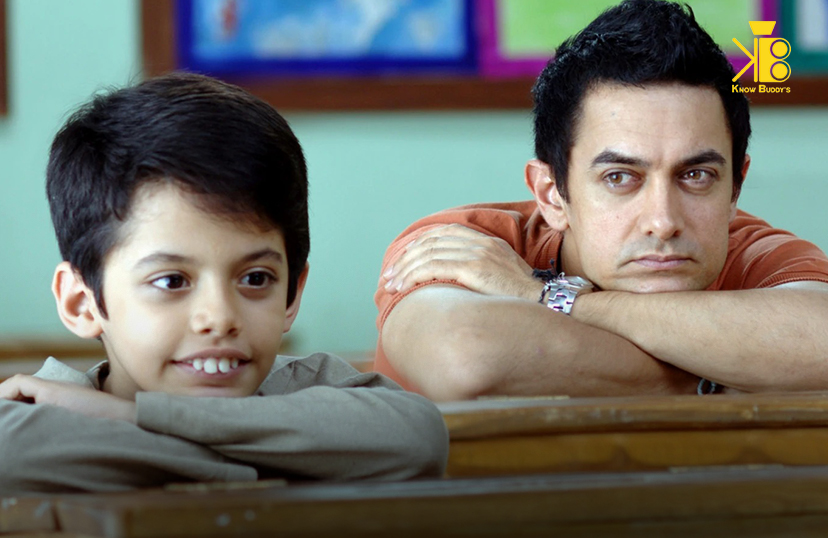
Captures the struggles of a young boy who sees the world differently due to dyslexia. There is no villain here, only misunderstanding and the pressures of a rigid education system. The film beautifully illustrates how compassion and patience can unlock a child’s true potential, making it an inspiring and emotional piece of Indian cinema.
Good Will Hunting (1997)
In the conflicts are internal rather than external. Will, a brilliant but troubled young man, battles his own insecurities and fear of vulnerability. There’s no traditional antagonist, just a journey toward self-acceptance, guided by a patient therapist who helps him believe he’s worthy of love and success. It’s a powerful reminder that sometimes the toughest battles are the ones we fight within ourselves.
Swades (2004)
Tells the story of Mohan, an Indian scientist working at NASA, who returns to his village and becomes deeply involved in transforming it. There’s no villain plotting against him, just social inertia, poverty, and the challenge of inspiring change. The film’s quiet power lies in its optimism and belief in collective progress, making it one of Indian cinema’s most moving and socially conscious films.
Cast Away (2000)
Offers a gripping tale of survival without an enemy to hate. When Chuck Noland’s plane crashes, he finds himself stranded alone on a deserted island. His fight is against nature, loneliness, and the will to stay alive. The film transforms isolation into an emotional odyssey, showing how human resilience can shine brightest in solitude.
The Lunchbox (2013)
Spins a delicate story of connection between two strangers in Mumbai. There’s no villain thwarting their path, just the gentle complexities of life, timing, and missed opportunities. Through notes exchanged in a misdelivered lunchbox, the film reveals how small gestures and fleeting connections can bring profound change, even in the most ordinary routines.
Conclusion
These films remind us that compelling cinema doesn’t always need heroes and villains locked in dramatic battle. Sometimes the most memorable stories unfold in the quiet corners of life, where human emotion, everyday challenges, and unexpected beauty take center stage. For those seeking films that heal, inspire, and linger gently in the memory, these are perfect examples of how powerful storytelling can be, even without a single villain in sight.














Leave a comment