Intro
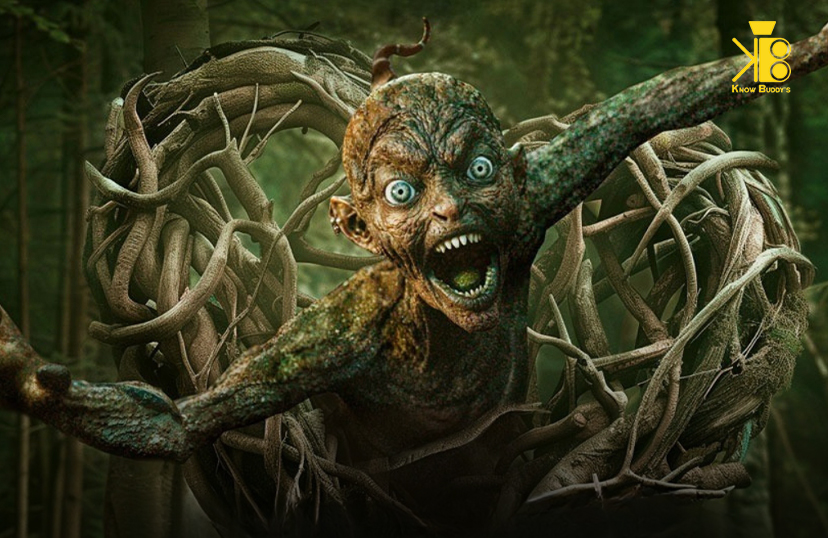
Horror in Indian cinema has always worn many faces from spine chilling mythological terror to eerie psychological suspense. While global audiences often associate horror with jump scares and haunted houses, Bollywood has slowly but surely carved its own path in the genre, blending folklore, emotion, atmosphere, and social commentary into stories that unsettle and enthrall in equal measure. These films have not only scared audiences but also lingered long after the screen goes dark, redefining what horror looks and feels like in India.
Bhool Bhulaiyaa (2007)
It changed the perception of horror in mainstream Bollywood. With a perfect blend of psychological thriller, comedy, and cultural folklore, this Akshay Kumar and Vidya Balan starrer proved that horror could be both commercially viable and narratively rich. The film’s unsettling depiction of dissociative identity disorder layered within a haunted haveli continues to be iconic.
1920 (2008)
Directed by Vikram Bhatt, which embraced a more traditional Gothic aesthetic. Set in colonial India, the film featured an atmospheric haunted mansion, possession, and demonic spirits all grounded in classic horror tropes, but with an Indian emotional core. It was one of the rare horror films that successfully created a sense of dread through sound design, silence, and shadow.
Pari (2018)
Starring Anushka Sharma, was a completely different beast dark, disturbing, and devoid of the typical horror clichés. It dove into demonic myths and cult practices, crafting a grim fairytale with no room for comic relief. Pari didn’t aim to entertain, it aimed to disturb, and that’s what made it so effective.
Tumbbad (2018)
Broke every mold Bollywood horror had adhered to until then. This atmospheric period horror drama set against the backdrop of rural Maharashtra in pre-independence India introduced audiences to the cursed story of Hastar, a forgotten god of greed. With its rich visuals, stunning cinematography, and philosophical undertones, Tumbbad became a landmark moment in Indian horror.
Bulbbul (2020)
Produced by Anushka Sharma, gave horror a feminist twist. Set in 19th century Bengal, the film used haunting visuals, folklore, and a ghost story to tell a powerful tale of trauma, patriarchy, and transformation. Its horror lies not just in the supernatural but in the human cruelty that enables it.
Stree (2018)
Brought a refreshing dose of horror comedy to the table. Drawing inspiration from urban legends, it told the story of a mysterious female spirit who abducts men at night. The film’s satire, social messaging, and unexpected frights made it both a critical and commercial success, redefining how horror could be enjoyed by a wider audience.
Shaitaan (2024)
Shaitaan has joined the list of modern horror gems. A psychological thriller at heart with supernatural overtones, it builds its tension through minimalism, strong performances, and a sharp narrative. It’s a reminder that the most terrifying horrors are often grounded in the mind.
Munjya (2024)
Munjya which dives into local Marathi folklore with a unique horror comedy approach. Set in Konkan and filled with cultural references, Munjya brings freshness and relatability to the genre, while still delivering a few genuinely terrifying moments.
Conclusion
Indian horror is evolving and these films are proof of its growing narrative depth and visual maturity. From haunted mansions and village legends to psychological thrillers and feminist ghost tales, the genre in Bollywood is no longer defined by just cheap thrills or over the top makeup. It’s rich with culture, history, and emotion, turning fear into a deeply human experience. These movies don’t just entertain they creep under your skin and stay there, one eerie whisper at a time.









Leave a comment