
Intro
Bollywood, beyond its glam and grandeur, holds the power to influence hearts and minds. Over the years, a few films have managed to go beyond the screen, provoking thought, questioning age-old beliefs, and pushing audiences to reflect on society’s realities. These are not just cinematic experiences they are cultural milestones that shifted public discourse and nudged perception in new directions.
Dil Chahta Hai (2001)
Far removed from melodrama, Dil Chahta Hai gave urban Indian youth a cinematic mirror they hadn’t seen before. It redefined friendship, emotional vulnerability in men, and modern day relationships. Its impact was so profound that it changed how friendship and adulthood were portrayed in Indian cinema and how a generation viewed them in real life.
Rang De Basanti (2006)
Rang De Basanti was more than just a story about patriotism it was a call to action. By linking historical revolutionaries with modern day disillusionment, the film awakened a sense of civic responsibility in the youth. It turned apathy into activism and sparked real life protests, redefining how patriotism and accountability were understood.
Taare Zameen Par (2007)
By putting a spotlight on dyslexia, Taare Zameen Par reshaped the national conversation around learning disabilities and education. It challenged the ‘one size fits all’ system and encouraged empathy, awareness, and the need for nurturing creativity over conformity in children. Parents, teachers, and schools began to rethink how they approached childhood struggles.
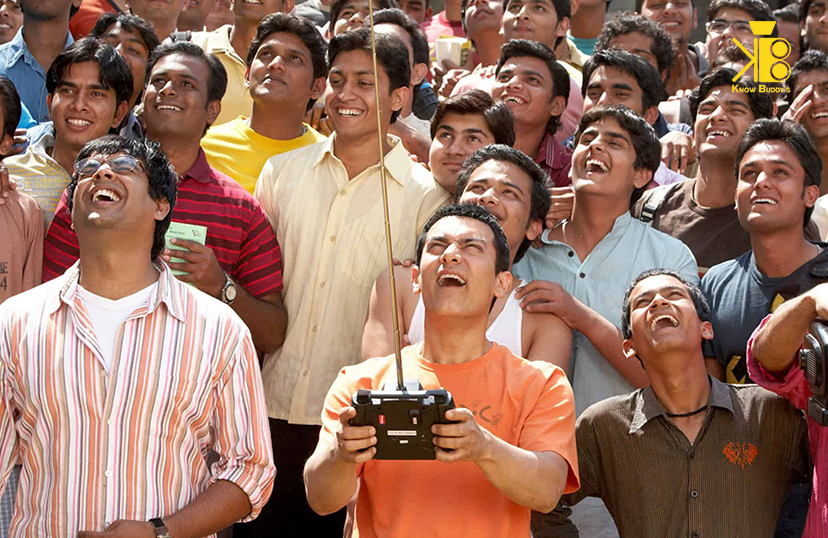
3 Idiots (2009)
With wit and emotion, 3 Idiots deconstructed the pressure cooker that is India’s education system. It urged students to chase excellence, not grades, and shed light on the mental health crisis among young learners. The phrase “All is well” became a symbol of reassurance, and the film’s ripple effect extended into classrooms and households across the country.
My Name Is Khan (2010)
In a world grappling with religious stereotypes post 9/11, My Name Is Khan offered a moving narrative about identity, compassion, and the human cost of prejudice. It confronted Islamophobia and reminded audiences that humanity supersedes religion, altering the lens through which many viewed Muslims, both in India and abroad.
Dum Laga Ke Haisha (2015)
Dum Laga Ke Haisha quietly yet powerfully addressed body image issues and societal beauty standards. By portraying an unconventional love story rooted in respect and acceptance, it opened doors to conversations about self worth, weight stigma, and the real meaning of compatibility beyond appearances.
Pink (2016)
“No means no.” With those three words, Pink changed the language around consent in India. It tackled victim blaming, gender roles, and the social judgments surrounding women’s autonomy. The film became a catalyst in spreading awareness about women’s rights and legal boundaries around consent and sexual assault.
Dangal (2016)
More than a sports biopic, Dangal broke gender barriers. It celebrated female athletes and questioned patriarchal mindsets in rural India. The success of the Phogat sisters on screen inspired a wave of encouragement for young girls in sports, especially from regions where such aspirations were once dismissed.
Article 15 (2019)
Rooted in real incidents, Article 15 confronted the uncomfortable realities of caste based discrimination. It reignited conversations around equality and privilege, making caste a mainstream issue for urban India to confront, not just read about. It was a cinematic call for upholding the Constitution and human dignity.
Conclusion
Cinema, when wielded with purpose, becomes more than entertainment it becomes education, resistance, and revolution. These Bollywood films did just that. They challenged the status quo, questioned societal conditioning, and started meaningful dialogues that continue to echo long after the credits roll.










Leave a comment