
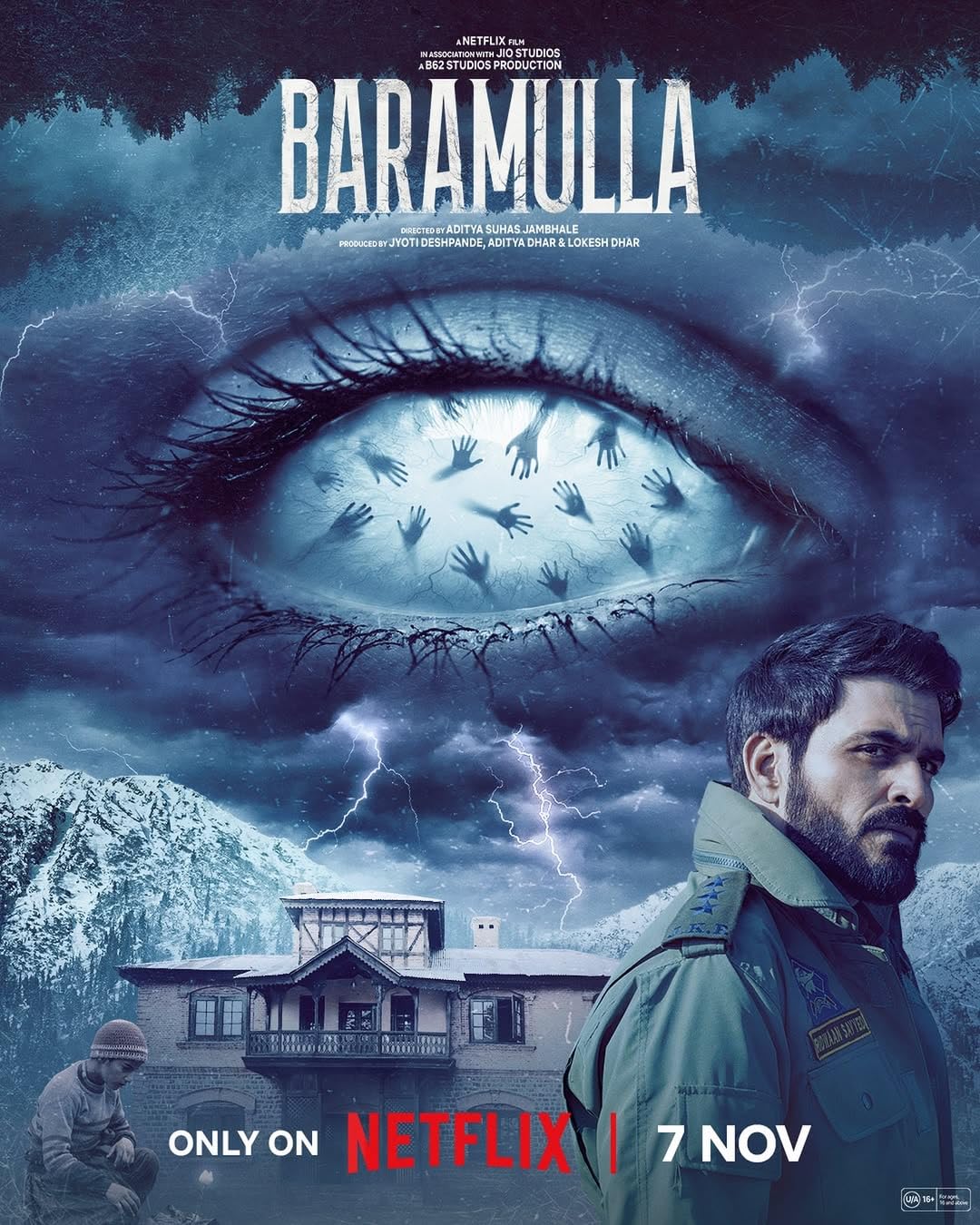
Baramulla is the kind of film that doesn’t rush to convince you of its brilliance. It doesn’t chase attention. It simply unfolds, quietly, steadily, and somehow ends up occupying mental real estate long after the credits are over.
The film follows the investigation of missing children in Kashmir, but the storytelling never leans on dramatic urgency. Instead, it uses stillness as tension. The silence between characters feels intentional. The pacing is slow in a way that feels confident, not hesitant. It knows where it’s going, and it trusts that the audience will arrive there with it.
Performances That Don’t Overstate Themselves
Manav Kaul leads the film with a presence that is understated yet impossible to ignore. There is no theatrical performance style here, just clean, grounded emotion. The supporting cast matches the tone, contributing to a world that feels consistent and believable. No character feels inserted. No moment feels stretched for effect.
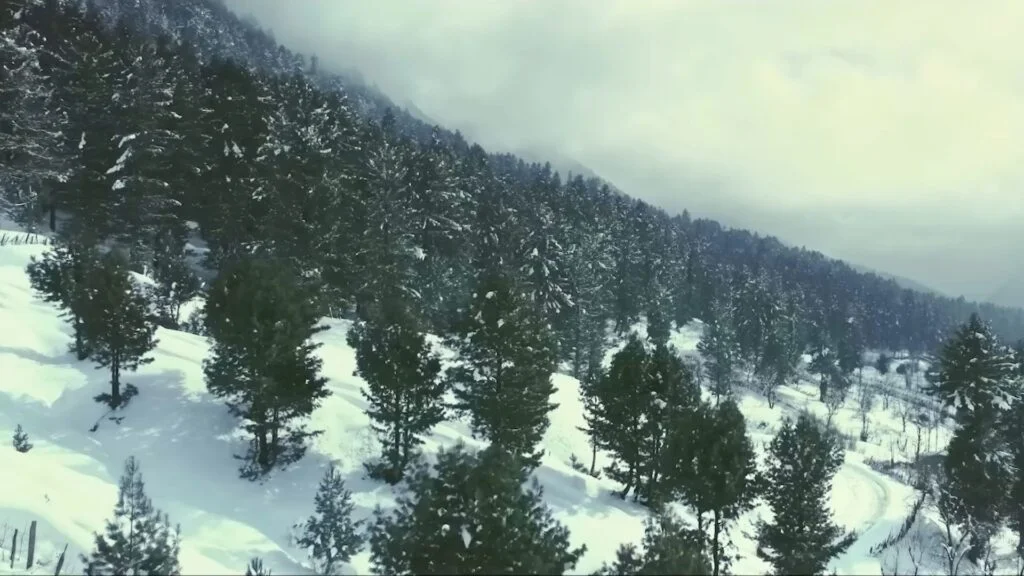
Kashmir as More Than a Backdrop
The film’s setting isn’t aesthetic decoration. Kashmir is treated almost like a memory, quiet, layered, and aware of its own history. The visuals aren’t trying to stun; they are trying to connect. The atmosphere adds weight without ever demanding attention for itself.
A Twist That Lands Because It’s Earned
The reveal doesn’t arrive like a shock designed to go viral. It arrives like something that makes sudden emotional sense. It doesn’t try to outsmart the viewer, it respects the viewer enough to let them understand at the right moment.

Why It Works
- It’s subtle, not flat.
- Slow, but with intention.
- Emotional, without being dramatic.
In a landscape where thrillers often lean on volume, loud scoring, loud acting, loud pacing, Baramulla takes the opposite route. And that choice makes it effective.
⭐ Rating: 4.5 / 5
A quiet thriller with real weight, one that lingers without trying to be memorable.
Discover more from Know Buddy's
Subscribe to get the latest posts sent to your email.












Leave a comment