
In certain films, the setting doesn’t just frame the story,it is the story. These are the movies where the cities, streets, or landscapes breathe alongside the characters, influencing their choices, emotions, and arcs. The mood, architecture, sounds, and silences of these places become essential to the film’s emotional weight and narrative depth.
Before Sunrise (1995)
Where Vienna’s quiet corners and winding alleys echo the tender awkwardness of two strangers falling in love. The city’s stillness mirrors the fleeting nature of their connection, making the place inseparable from the story.
In the Mood for Love (2000)
Captures 1960s Hong Kong with such evocative precision that its narrow corridors and muted wallpapered interiors become the silent witnesses of longing and restraint. Every frame is soaked in melancholy, turning the space between characters into poetry.
Amélie (2001)
Paris is painted with whimsy and color, amplifying the film’s dreamlike tone. The cafés, markets, and apartment buildings aren’t just backgrounds, they amplify Amélie’s quirky charm and quiet yearning.
Lost in Translation (2003)
Tokyo in this feels both isolating and intoxicating. The neon glow, karaoke bars, and anonymous hotel rooms create a haze of confusion and clarity for the protagonists, making the city a mirror of their inner disconnection.
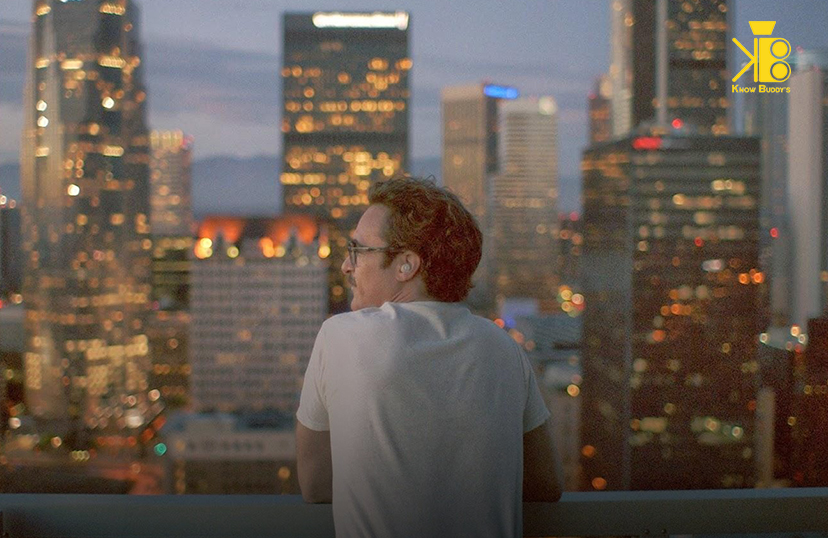
Her (2013)
Uses a futuristic Los Angeles as a soft, pastel-toned canvas. The open spaces, minimalist design, and digital landscapes gently support a story of artificial intelligence and very human loneliness.
CityLights (2014)
The chaos of Mumbai is overwhelming, swallowing a small-town man and his daughter whole. The city is merciless yet full of dreams, forcing the characters to confront harsh realities while chasing hope.
Tamasha (2015)
Shifts between the postcard perfection of Corsica and the dull greys of urban India. The contrast in landscapes reflects the contrast in the protagonist’s inner self, the free soul he hides and the routine life he performs.
Roma (2018)
Transforms everyday streets and rooftops of 1970s Mexico City into a deeply intimate canvas. Every domestic detail, every wide-angle shot tells a story of memory, class, and care that words alone cannot.
Conclusion
These films remind us that sometimes the strongest character isn’t a person at all. It’s the place that holds the memories, shapes the emotions, and silently guides the narrative from beginning to end.














Leave a comment